

Organic Coconut Oil Benefits for Skin and Hair
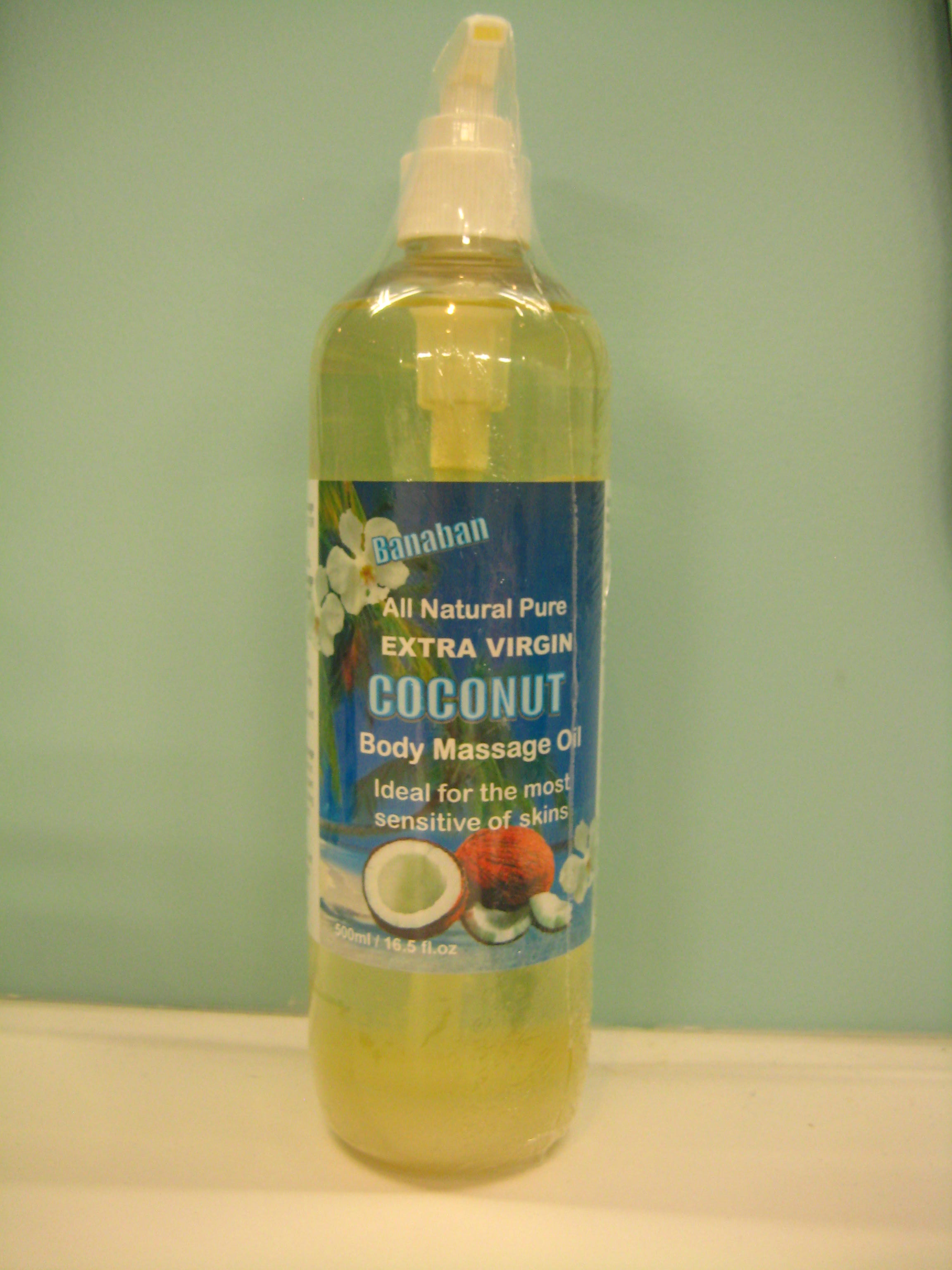
I’ve enjoyed using coconut oil for years, and it’s one of those simple products I like to keep handy around the home. From moisturising dry hands to conditioning my hair, I’ve found several practical uses for it. There are some genuine organic coconut oil benefits, particularly when it comes to helping skin retain moisture, but it’s important to distinguish these from claims that haven’t been established by good evidence.
Organic Coconut Oil Benefits for Everyday Skincare
1. Moisturising Dry Skin
Coconut oil can act as an emollient, helping soften the skin and reduce moisture loss. I particularly like applying a small amount to my hands after washing dishes or to dry areas of my body. Start with a little and see how your skin responds. Coconut oil can feel heavy and may clog pores for some people, so it isn’t necessarily the best choice for acne-prone facial skin.
2. Removing Makeup
One of my favourite uses is helping loosen stubborn makeup. A small amount of coconut oil can dissolve some makeup products, but avoid getting it into your eyes and stop using it if irritation occurs. Follow with a gentle cleanser to remove the oil and any remaining makeup. If your skin is sensitive or prone to breakouts, a purpose-made makeup remover may be a better option.
3. Softening Cuticles and Dry Hands
A little coconut oil massaged around the cuticles or over dry hands can leave them feeling softer. It’s a simple addition to a hand-care routine, especially after frequent washing.
4. Caring for Dry Hair
Coconut oil can help reduce protein loss from hair in some circumstances and may make dry lengths feel smoother. I like using a small amount as a pre-wash conditioning treatment, concentrating on the lengths and ends rather than applying too much near the scalp. Wash it out thoroughly and adjust the amount to suit your hair type.
Using Coconut Oil in the Bath
I also enjoy the occasional bath with a small amount of coconut oil, although it is important to be cautious. Oil can make the bath and surrounding surfaces extremely slippery. Use only a little, clean the bath afterwards and avoid this method if slipping is a concern. A regular moisturiser applied after bathing may be a safer and simpler alternative.
What About Coconut Oil in Cooking?
I’ve also enjoyed coconut oil in cooking because of its distinctive flavour. It can work nicely in some recipes, particularly when you want a subtle coconut taste. However, coconut oil is high in saturated fat, so it isn’t automatically a healthier choice than other cooking oils. For everyday cooking, oils higher in unsaturated fats, such as olive or canola oil, are generally preferable. I wouldn’t recommend taking coconut oil in tea or food as a treatment for a cold or flu.
Other Uses and Claims Worth Understanding
Over the years, coconut oil has been promoted for everything from stretch marks and cellulite to hair growth and weight loss. Some of these claims sound appealing, but the evidence is limited or insufficient.
- Cuticle softener: Useful for moisturising dry cuticles.
- Body moisturiser: May help soften dry skin, although it won’t suit everyone.
- Hair conditioner: Can be useful for some hair types, particularly as a pre-wash treatment.
- Makeup remover: May help dissolve makeup when used carefully.
- Cold sores and acne: Coconut oil is not an established treatment for either condition and may aggravate acne in some people.
- Cellulite, varicose veins and stretch marks: There is no reliable evidence that applying coconut oil removes these concerns.
- Weight loss: Eating coconut oil has not been shown to produce reliable weight-loss benefits.
- Age spots and hair growth: Claims that coconut oil lightens pigmentation or stimulates new hair growth are not well supported.
- Sun protection: Coconut oil does not provide reliable UV protection and must never replace a tested broad-spectrum sunscreen.
A Few Precautions Before You Use Coconut Oil
Although coconut oil is a familiar ingredient, natural doesn’t automatically mean suitable for every person. Patch-test a small area if you haven’t used it before, avoid applying it to irritated or infected skin without appropriate advice, and discontinue use if you develop redness, itching or breakouts. Take particular care around the eyes and on slippery bathroom surfaces.
My Thoughts on Organic Coconut Oil
I still enjoy coconut oil as a simple addition to my personal care routine, particularly for dry hands and occasional hair conditioning. For me, the best approach is to use it where it works well, without expecting it to solve every skin or health concern.
If you’re exploring other ways to care for your skin and hair, have a look through our Hair and Body collection for more ideas.
Michelle