

Skincare Ingredient Safety: What Are We Really Putting on Our Skin?
Have you ever stopped to think about what’s actually in the products you use every day? Skincare ingredient safety is something I’ve become much more interested in over the years, especially after experiencing skin irritation myself.
Like many people, I used to choose products because they promised healthier, clearer or younger-looking skin. Moisturisers, makeup, hair products and fragrances all sounded appealing when their advertisements described wonderful results. But I’ve learnt that understanding a product’s ingredients and how my own skin responds is just as important as the claims on its packaging.
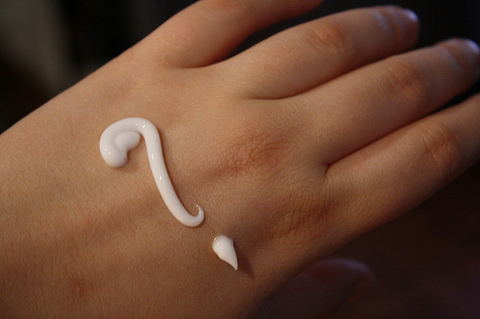
Why Skincare Ingredient Safety Matters
Cosmetics and personal care products contain ingredients chosen for different purposes. Some moisturise, some cleanse, some preserve the product and others provide colour or fragrance. The fact that an ingredient has a chemical name does not automatically make it dangerous. What matters is the substance, its concentration, how it is used and whether it is suitable for the person using it.
Even products sold as natural, gentle or suitable for sensitive skin can cause reactions in some individuals. That’s why I believe it’s worth learning to read ingredient lists and paying attention to changes in your skin.
My Experience With Skin Irritation
Years ago, I became unwell and experienced persistent itching on my arms and legs. After medical investigations, I was advised that formaldehyde exposure was involved. It was an experience that made me more aware of the products and substances I encountered.
Formaldehyde is a recognised irritant and sensitiser, and exposure can cause problems for some people. Certain hair-smoothing and straightening treatments may release formaldehyde when heated, including some products marketed as keratin treatments. This is one reason I think it’s sensible to ask a salon about the products it uses, particularly if you have allergies, asthma or a history of reactions.
Not every episode of itching or tiredness is caused by cosmetics, however. If symptoms persist, it’s important to seek appropriate medical advice rather than trying to identify the cause yourself.
Ingredients in Nail Products and Makeup
Nail polishes, removers, gels and artificial nail systems can contain solvents, resins and other ingredients that may irritate skin or cause allergic contact dermatitis. Some people develop sensitivities to particular nail product ingredients, including certain acrylates used in gel and artificial nails.
If your skin becomes red, itchy, swollen or sore after a nail appointment, don’t ignore it. Stop using the suspected product and seek professional advice if the reaction is significant or continues.
Concerns are sometimes raised about trace contaminants, such as lead, in cosmetics. The presence of a trace substance does not by itself establish that a product poses a health risk; the amount, exposure and applicable safety standards all matter. Buying from reputable suppliers and following product instructions are sensible precautions.
Can Fragrances Cause Skin Reactions?
Fragrance is another area worth understanding. Perfumes and fragranced skincare products can contain mixtures of aromatic ingredients, some of which may trigger irritation or allergies in susceptible people.
Ingredient-labelling rules differ between product types and markets, and fragrance mixtures may sometimes be identified collectively rather than listing every component. This does not mean manufacturers can simply include anything they like without safety obligations.
If you have sensitive skin, choosing fragrance-free products may be helpful. Remember that unscented and fragrance-free are not always the same thing.
Why a Familiar Product Can Suddenly Cause Irritation
Have you ever used the same product for years and then developed a reaction? It can happen. Allergic contact dermatitis may develop after repeated exposure to a particular ingredient, although irritation can also arise from changes in your skin, the weather, over-cleansing or a reformulated product.
Persistent or recurring reactions deserve proper assessment. A healthcare professional may recommend patch testing to help identify a contact allergy.
Simple Ways to Make More Informed Skincare Choices
- Read the ingredient list: Look for ingredients you already know cause you problems.
- Introduce new products gradually: This can make it easier to recognise a reaction.
- Patch-test when appropriate: Try a small area first, particularly if your skin is sensitive, while remembering that a home patch test cannot rule out every allergy.
- Follow directions: Pay attention to how often a product should be used and whether it needs to be rinsed off.
- Avoid unnecessary irritation: Gentle cleansing and moisturising may be more helpful than using numerous strong products.
- Ask questions: If you’re unsure about a salon treatment or cosmetic product, ask about its ingredients and safe use.
- Seek advice for ongoing symptoms: Don’t keep using a product that appears to cause a reaction.
My Thoughts on Choosing Skincare Products
My experience has taught me to be more thoughtful about what I use on my skin and hair. I don’t believe we need to fear every unfamiliar ingredient or assume that natural products are always safer. Instead, we can make informed decisions based on reliable information and what works for our individual skin.
If you’re reviewing your daily routine, you may also like to explore our Beauty and Skincare collection for product ideas.
Above all, listen to your skin. If something causes discomfort, don’t feel you have to keep using it just because the advertising promises wonderful results.
Michelle