Dry Brushing Benefits: A Simple Guide to Softer Skin
Hi everyone!
We don’t hear quite as much about dry brushing these days, but it’s a simple beauty treatment I’ve always found interesting. It’s inexpensive, doesn’t require a complicated routine and can be a lovely way to enjoy a few minutes of self-care at home.
People often ask about dry brushing benefits, how to choose the right brush and whether it’s suitable for their skin. I thought I’d share my experiences, along with some practical advice about what dry brushing can and cannot do.
What Is Dry Brushing?
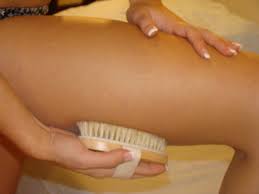
Dry brushing involves gently moving a body brush over dry skin, usually before showering or bathing. The bristles provide physical exfoliation by helping remove some of the loose, dead skin cells on the surface.
For some people, the sensation is refreshing or relaxing. The key is to use a soft brush and very light pressure rather than trying to scrub the skin.
What Are the Real Dry Brushing Benefits?
The main potential benefit is gentle exfoliation. By removing loose surface skin cells, dry brushing may temporarily leave your skin feeling smoother and looking a little brighter.
Some people also enjoy the massage-like sensation and find it a pleasant addition to their personal-care routine.
However, it’s important to distinguish these effects from some of the bigger claims you may have heard. There isn’t good evidence that dry brushing removes toxins, improves lymphatic drainage in a medically meaningful way, strengthens immunity, permanently tightens skin or eliminates cellulite. Our liver, kidneys and other organs already perform the body’s normal waste-removal functions.
Think of dry brushing as an optional exfoliating treatment rather than a medical or detoxifying therapy.
How to Choose a Dry Body Brush
I remember going away with my husband to a retreat where body brushing was included in our treatment package. I had forgotten how pleasant a gentle treatment could feel, and afterwards I decided to find a brush to use at home.
It took a little experimenting to find something comfortable that wasn’t too expensive. Here are the things I’d suggest looking for:
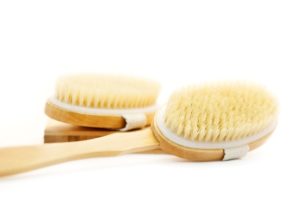
- Soft, flexible bristles: Choose a brush that feels gentle against your skin. Natural bristles are one option, but softness matters more than the material.
- A comfortable grip: A handheld brush or one with a strap may be easier to control.
- A suitable handle: A longer handle can help you reach your back, while a smaller brush may feel easier to use elsewhere.
- Easy cleaning: Choose a brush you can clean and dry properly according to the manufacturer’s instructions.
- A sensible price: There’s no need to spend a fortune on a body brush to enjoy a simple skincare routine.
How to Dry Brush Your Skin Gently
If you’d like to try dry brushing, begin with a small area of healthy skin to see how it responds. You should feel only a light brushing sensation, never pain, scratching or burning.
- Start with clean, dry skin. Dry brushing is generally done before a shower or bath.
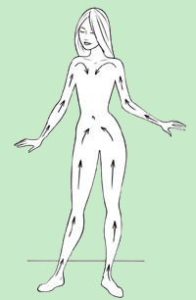
- Use very light pressure. Begin at your feet or lower legs and make a few gentle strokes without repeatedly brushing the same area.
- Continue to your arms if comfortable. Use short, controlled movements rather than vigorous scrubbing.
- Be especially careful around delicate areas. Avoid the face, breasts, nipples, genitals and any skin that feels thin or sensitive.
- Keep the session brief. A few minutes is plenty, particularly when you’re first trying it.
- Shower if you wish. Use comfortably warm water rather than very hot water.
- Apply moisturiser afterwards. This can help keep your skin feeling soft and comfortable.
You may have heard advice to always brush towards the heart. There’s no established need to follow a particular direction for ordinary cosmetic exfoliation, so focus instead on gentle, comfortable movements.
There’s also no need to dry brush every day. Start occasionally and only continue if your skin tolerates it well.
When Should You Avoid Dry Brushing?
Dry brushing isn’t suitable for everyone. Avoid brushing over sunburn, cuts, broken skin, rashes, inflamed acne, infections or areas that are already irritated.
If you have eczema, psoriasis, rosacea, very sensitive skin or another condition affecting your skin barrier, dry brushing may make symptoms worse. Seek advice from a qualified healthcare professional before trying it.
Stop immediately if you notice redness that persists, discomfort, stinging or scratching. More pressure doesn’t mean better results.
Dry Brushing and Cellulite: What to Expect
One question that often comes up is whether dry brushing helps cellulite. Although brushing may temporarily make skin feel smoother, there isn’t convincing evidence that it removes cellulite or changes the underlying tissue responsible for its appearance.
Cellulite is extremely common and completely normal. You don’t need to treat it unless you personally want to explore cosmetic options.
Making Dry Brushing Part of Your Skincare Routine
For me, the appeal of dry brushing has always been its simplicity. A comfortable brush, a few gentle strokes and a little time to yourself can make an ordinary skincare routine feel more relaxing.
Afterwards, I recommend applying a moisturiser suited to your skin. If you’re looking for products to complement your body-care routine, have a look through our Hair and Body collection.
Remember, healthy skin doesn’t need aggressive exfoliation. If you enjoy dry brushing and your skin responds well, it can be an occasional extra rather than something you must do.
Take care and enjoy a little time for yourself!
Thanks,
Michelle