Stress Less: Simple Ways to Relax and Unwind
Life can be busy, and sometimes the demands of work, family, finances and everyday responsibilities leave us feeling overwhelmed. Learning how to reduce stress doesn’t mean eliminating every challenge from life. It’s about recognising when pressure is building and finding practical ways to look after your wellbeing.
Making time to relax your body and mind can help you manage everyday tension, recharge and approach daily activities with a little more balance.
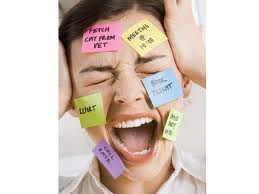
Why Is It Important to Relax?
We all experience stress from time to time. Financial pressures, family commitments, relationships and work responsibilities can make it difficult to find a quiet moment for ourselves.
When stress continues for long periods, it may affect sleep, concentration, mood, appetite and relationships. Tasks that once felt manageable can become more difficult, and we may find ourselves feeling tired or irritable.
Regular relaxation, adequate rest and supportive daily habits can help us respond to these pressures more effectively.
Recognising the Signs of Stress
Stress can affect people differently. Some common experiences include:
- Feeling irritable, worried or overwhelmed.
- Difficulty concentrating or switching off.
- Changes in sleeping patterns.
- Muscle tension or headaches.
- Digestive discomfort or changes in appetite.
- Feeling unusually tired or finding everyday tasks more demanding.
These symptoms can have several causes and don’t necessarily mean stress is responsible. If symptoms are persistent, severe or affecting your daily life, speak with a qualified healthcare professional for appropriate advice.
How to Reduce Stress with Simple Daily Habits
Small changes can make relaxation feel more achievable. You don’t need an elaborate routine or an entire day away from your responsibilities to begin taking care of yourself.
1. Spend Time Outdoors
Take a gentle walk along the beach, through a park or somewhere peaceful. Fresh air, a change of scenery and comfortable physical activity can provide a welcome break from everyday demands.
Enjoy outdoor time safely. In Australia, remember to protect your skin from excessive UV exposure by checking the UV Index and using appropriate sun protection.
2. Make Time for Something You Enjoy
Whether it’s reading, gardening, listening to music, watching a movie or catching up with a friend, enjoyable activities can give your mind a break from constant responsibilities.
Choose something that genuinely helps you relax rather than feeling pressured to follow someone else’s idea of self-care.
3. Enjoy a Relaxing Massage or Self-Care Treatment
Some people find that a gentle massage, facial or quiet self-care session helps them feel more relaxed. These activities can provide an opportunity to slow down and focus on personal comfort.
A treatment doesn’t need to be expensive or complicated. Even a few uninterrupted minutes following a simple skincare routine may offer a welcome pause in a busy day.
4. Practise Gentle Breathing and Relaxation
When you feel tense, try sitting comfortably and taking a few slow, natural breaths. Relax your shoulders, release unnecessary muscle tension and give yourself permission to pause.
Mindfulness, gentle stretching or a short relaxation exercise may also help you settle into a calmer routine.
5. Prioritise Sleep and Everyday Wellbeing
Getting enough sleep, eating regular balanced meals, drinking water and including enjoyable movement in your day can support general wellbeing.
Maintaining social connections is important too. Talking with someone you trust can sometimes make a difficult day feel more manageable.
Simple Reminders for a More Balanced Day
When life feels particularly busy, try making room for a few of these everyday essentials:
- Regular breaks and time to rest.
- Safe outdoor activity and fresh air.
- Laughter and enjoyable experiences.
- Water and balanced meals.
- Supportive friendships and relationships.
- Comfortable physical activity.
- Consistent sleep habits.
When to Seek Additional Support
Relaxation strategies can be helpful for everyday stress, but they aren’t a substitute for professional care when stress becomes difficult to manage.
If ongoing stress, anxiety, low mood or physical symptoms are affecting your wellbeing, consider speaking with your GP or another qualified healthcare professional. You can also read practical information from Healthdirect Australia about stress and its management.
Creating a peaceful atmosphere at home can also be part of your relaxation routine. Explore our Home Fragrance collection for candles and fragrances that can help make your personal downtime feel a little more special.
Make Time to Stress Less
Learning how to reduce stress often begins with recognising when you need a break. Whether you enjoy a walk, a relaxing facial, time with friends or a quiet moment at home, taking regular opportunities to unwind can be a valuable part of looking after yourself.
Remember, you don’t have to do everything at once. Start with a few simple habits that fit your lifestyle and make time for the activities that help you feel refreshed.